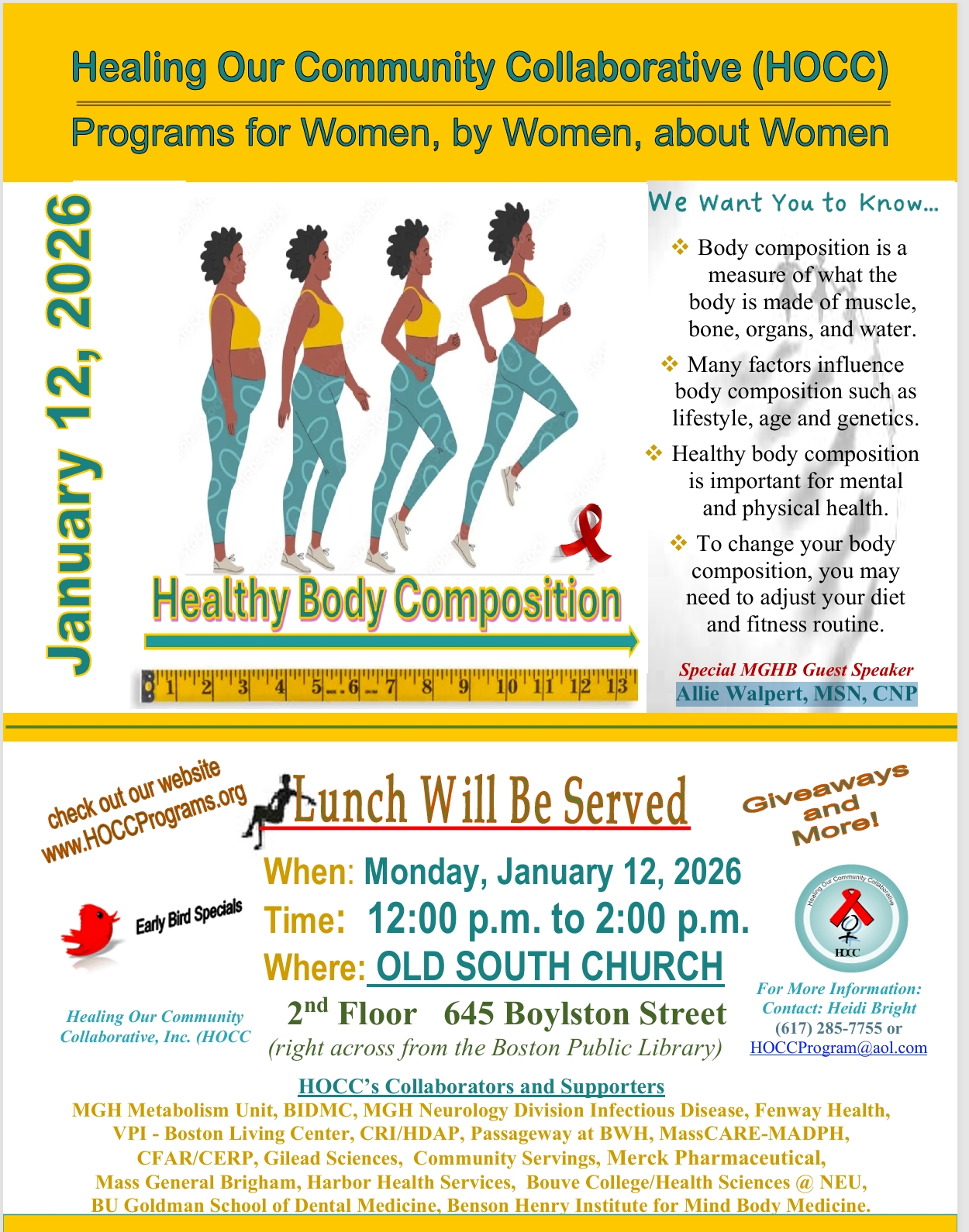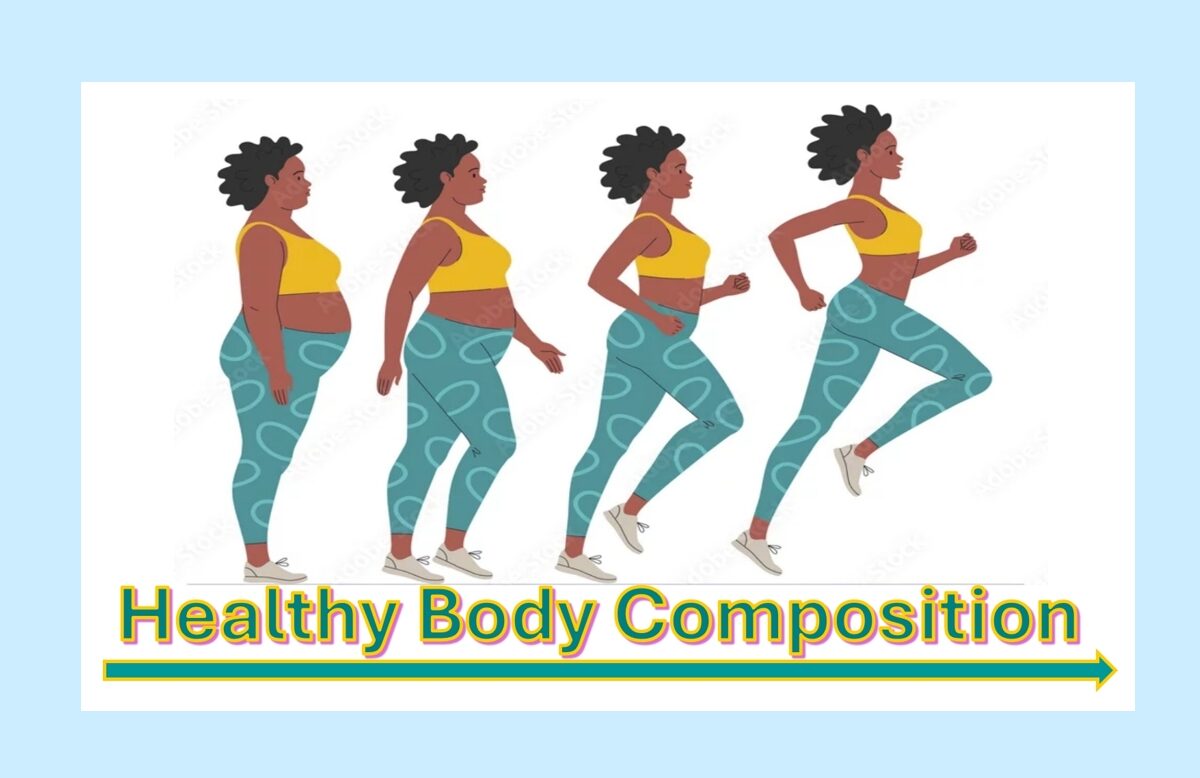
Body composition is a term often used often by doctors and health and fitness professionals. It refers to the percentage of fat, bone, and muscle in your body. It can give your doctor a better idea of your physical health and fitness than your body weight alone. Your doctor may use it to learn more about your nutrition, health status, and risks of disease. In the fitness world, it’s used to keep track of how effective a particular program is for fat loss and muscle gain.
However, current weight loss trends focus only on the actual weight loss and weighing yourself only tells you one thing: your total weight. Body composition, on the other hand, gives you a much more detailed picture of your weight health because muscle is denser than fat. Someone with lots of muscle can weigh more than someone with a lot of extra fat, even though they look leaner. Making this distinction helps you have a clearer picture of your fitness level and health risks. Important to know is having excess body fat is linked with many diseases. It can put you at risk of cancer, heart disease, diabetes, and more.
Body composition as a method of describing what your body is made of, specifically the proportion of fat mass to fat-free mass (which includes muscle, bone, and water). It provides a more accurate picture of overall health than weight alone because it differentiates between fat and muscle, and can be used to assess health risks associated with excess body fat.
To improve body composition, you combine a balanced diet rich in protein with regular exercise that includes both cardio and strength training. Prioritize strength training to build muscle, and incorporate cardio to help burn calories. Lifestyle factors like adequate sleep (7-9 hours), stress management, and consistent hydration also play a crucial role.
Please review categories below for clarification:
Nutrition and diet
• Focus on a balanced diet: Consume a diet rich in lean protein, fruits, vegetables, whole grains, and healthy fats.
• Prioritize protein: Eat enough protein to support muscle growth and repair. High-protein diets can also aid in fat loss.
• Control calories: To lose fat, aim for a moderate calorie deficit of 300–500 calories per day. To build muscle, you may need to be in a slight caloric surplus.
• Limit processed foods: Reduce intake of processed foods, sugary drinks, and unhealthy fats.
• Stay hydrated: Drink plenty of water throughout the day.
Exercise and physical activity
• Strength training:
This is essential for building muscle mass. Aim for at least 2–3 sessions per week that target all major muscle groups.
• Cardiovascular exercise:
Engage in regular cardio to burn calories and improve heart health. A good target is at least 150 minutes of moderate-intensity or 75 minutes of vigorous-intensity cardio per week.
• Try different exercises:
Combine different activities like resistance training, interval training, and bodyweight exercises.
• Increase daily activity:
Integrate more movement into your day through activities like walking, gardening, or cleaning.
(Please review ideas below for seniors)
Lifestyle and recovery
• Get enough sleep:
Aim for 7–9 hours of quality sleep per night. Sleep is crucial for hormone regulation, muscle recovery, and overall health.
• Manage stress:
High stress levels can negatively impact your body composition. Find ways to manage stress to support your goals.
• Track progress:
Focus on progress in your fitness and body composition rather than just the number on the scale, as weight can fluctuate.
Body composition exercises for elders should include a mix of strength training, aerobic activity, and flexibility and balance work to improve muscle mass, cardiovascular health, and stability. Examples include low-impact exercises like swimming, chair yoga, and walking, as well as strength exercises such as wall push-ups, chair squats, and exercises with light dumbbells or resistance bands (in 2/2025 and 9/2025 HOCC provided resistance bands to HOCC women to support light exercises).
Strength training
• Chair squats: Sit down into a chair and stand back up, keeping your back straight. Weights can be added for a greater challenge. For those who can’t do a full squat, leg extensions while seated are a good alternative.
• Wall push-ups: Place your hands on a wall at shoulder level and push your body away from the wall, then back towards it. Adjust the distance of your feet from the wall to modify the difficulty.
• Dumbbell exercises: Perform exercises like shoulder presses, tricep extensions, and bent-over rows using light dumbbells.
• Resistance bands: Use resistance bands for exercises like bicep curls and rows.
Aerobic activity
• Walking: Aim for 8,000 to 10,000 steps daily if possible, or break it up into shorter sessions.
• Swimming or water aerobics: These are low-impact options that provide a full-body workout.
• Cycling: A stationary or regular bike can be a great way to build cardiovascular endurance.
• Dancing: A fun way to get your heart rate up and work on coordination.
Flexibility and balance
• Chair yoga: A gentle way to improve flexibility, balance, and muscle strength.
• Tai Chi: This practice involves slow, flowing movements that improve balance and body awareness.
• Stretching: Incorporate stretching into your routine to improve flexibility. Examples include arm circles, leg swings, and hamstring stretches.
• Balance exercises: Try single-leg stands with arm raises or sit-to-stands to improve balance and stability.
Important considerations
• Consult your doctor: Before starting any new fitness program, it’s important to consult a healthcare professional.
• Warm-up and cool-down: Always warm up your muscles with light activity like arm circles and knee-to-chest pulls, and cool down with stretches.
• Modify exercises: Adjust the intensity or range of motion to suit your fitness level. For example, use a chair for support during squats or do exercises while seated.
• Listen to your body: Avoid high-intensity workouts that cause pain and focus on low-impact movements that are safe and effective.
Learn More About Body Composition @ HOCC on January 12, 2026!
SAVE the DATE!